Blood Lab Survival Basics
Stay alive under infected pressure with loot timing, positioning, and squad discipline.
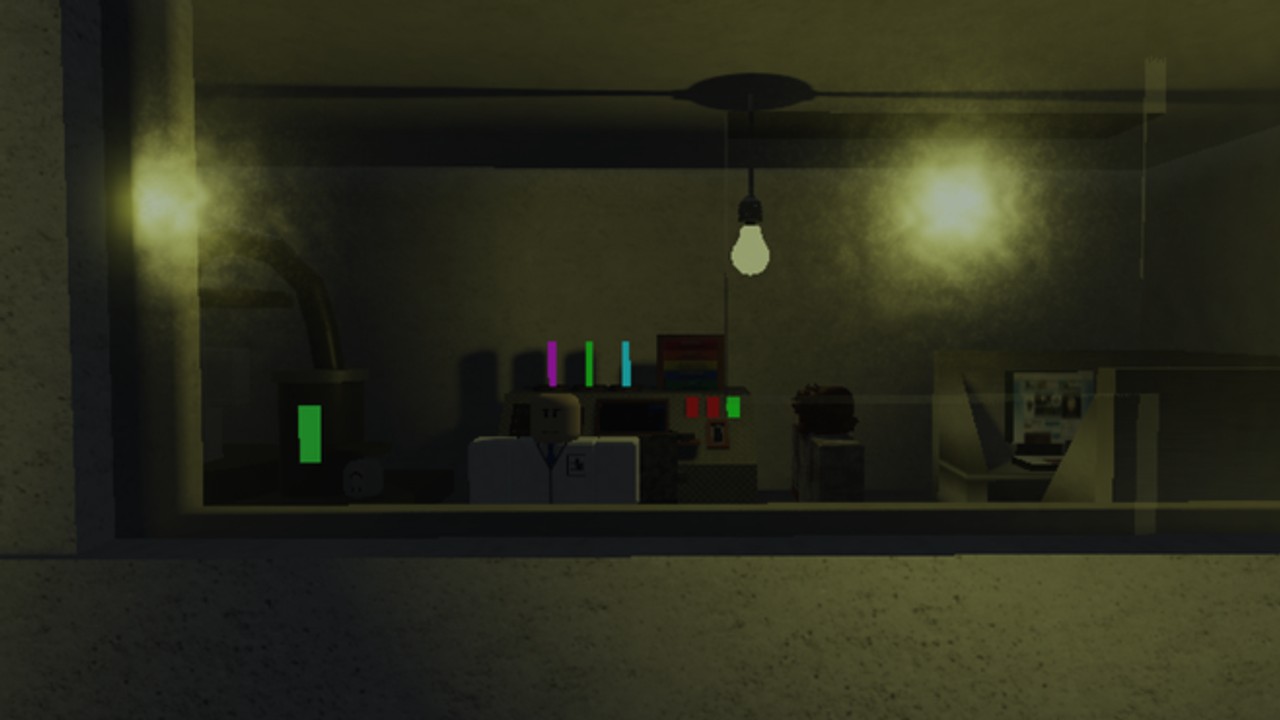
Blood Lab’s BloodLab Testing place is a compressed hardcore loop: infected and spore-style pressure, always-on friendly fire, no passive health regen, scarce heals, and only four player slots. If you treat it like a casual horde shooter, you will clear a room and still die to hunger, bleed, or a teammate’s mag dump. This guide turns that loop into habits you can repeat — then bridges those habits into GetRich Studios’ open-alpha sibling, The Last Of Blox.
Pair this page with getting started, controls, how to heal, and the weapons guide. For loadout opinions later, use the tier list.
The hardcore loop in one paragraph
Spawn with Glock 17 + AR, clear space without shooting friends, loot food (~2 minute cadence) and bandages (~3 minute cadence), reset guns with R, adjust fire mode with V, and only then take space. Every fight spends ammo and HP you cannot passively recover. Every pause should restock hunger and heals. Every push should answer: who holds, who peeks, where do we retreat if the angle collapses?
Infected and pressure: do not tunnel the first target
Infected pressure punishes tunnel vision. The first enemy you see is rarely the only threat on the lane. Before you commit full-auto:
- Lean-check (hold Q/E) so you know depth and flanks — details in controls.
- Count footsteps and second silhouettes so you do not empty the AR into one target while another wraps.
- Anchor one player on the rear or side angle so a runner cannot punish the whole stack.
- Break contact early if HP is low and nobody is holding a bandage.
Spore or environmental pressure (depending on the current test layout) should change your tempo the same way: shorter peeks, earlier reloads, and stricter loot priorities. Surviving pressure is less about DPS and more about never being caught reloading in the open with empty pockets.
Friendly fire discipline is a survival skill
In a 4-player server, team damage is not a comedy statistic — it is a wipe mechanic. Survival basics that prevent FF:
- ** staggered peeks**, not four muzzles in one doorway.
- Call crossings when you must walk through a teammate’s sightline.
- Prefer semi or burst near allies; save spray for clear frontal lanes (weapons guide).
- If you team-damage someone, stop shooting immediately, call it, and cover them to a bandage instead of “finishing the fight” over their body.
Friendly fire plus no regen means a single mistake can force a full reset. Play like every bullet has a name on it.
Loot timing: food ~2 minutes, bandages ~3 minutes
Treat spawn cadences as a clock:
| Resource | Approx. refresh | Survival role |
|---|---|---|
| Food | ~2 minutes | Stops quiet run-enders from hunger |
| Bandages | ~3 minutes | Only reliable HP recovery |
Food first when nobody is bleeding out. Hunger creeps while you chase gunfights; a fed squad makes better peeks. Bandages first when anyone is cracked. A 2-minute food spawn does not matter if a 20% HP player takes the next pellet.
Rotate loot so one player is not vacuuming every crate while others sit empty. Call “food on me” / “bandage left” the same way you call enemy positions. After you secure a heal, do not ego-challenge the next room — stabilize, reload, then push. Deeper triage lives on how to heal.
Positioning: angles, depth, and escape rooms
Good positioning in BloodLab Testing looks boring:
- Two depths, not one blob. One player holds near cover; one offsets wider so a single grenade-line or rush cannot hit everyone.
- Doors are filters. Clear the near corner with a lean, then the deep corner, then enter. Never all enter on the same frame.
- Pre-plan the retreat tile. Before a push, know which room you fall back to if the AR runs dry.
- Crouch-holds on stairs and windows beat standing silhouettes.
- Carry (G) only when the lane is frozen. Dragging through live fire creates moving friendlies that look like infected in peripheral vision.
If your squad keeps dying in the same doorway, the fix is positioning and timing — not a louder Gamepass gun.
When to push vs when to retreat
Push when:
- At least two players have stable HP and a bandage in reserve.
- Magazines are topped off (R done in cover).
- You have a declared entry player and a declared support.
- Loot clock is not about to starve someone mid-fight.
Retreat when:
- Anyone is critically low without a heal path.
- You hear or see multi-angle infected pressure.
- A teammate is down and the lane is still hot — secure, then recover, do not double down blind.
- Fire modes and ammo state are wrong for the space (for example, empty AR and panicked Glock in a long hall).
Retreating is how you stay in the ~2 / ~3 minute loot economy. Pushing every noise is how test sessions end in under five minutes.
Squad roles in a 4-stack
Even without formal classes, assign jobs:
- Point: leans and first peek; highest FF awareness.
- Support: covers deep angle; watches point’s back.
- Loot/anchor: tracks food and bandage timers; calls rotate.
- Flex: reloads, carries, and fills whatever broke last fight.
Rotate jobs if one player is tilted or low HP. Ego point-running with cracked health is how “we were winning” becomes a full squad death. Community habits and creators are noted under players.
Bridging to The Last Of Blox open world
When BloodLab Testing feels readable, move into The Last Of Blox with the same discipline scaled up:
- Explore overgrown Boston slowly — lean habits still apply on street corners and house entries.
- Factions and allies add social layers; do not assume every human silhouette is safe, and still avoid reckless FF in co-op groups.
- Raid houses like BloodLab rooms: staggered entry, reload before breach, bandage check at the door.
- Voice chat recommended so lean/cross/heal calls stay fast.
- Vehicles are PC-only — plan routes on keyboard/mouse when driving matters.
- Deposit items in SAFE before exit so progress survives leaving the session.
BloodLab Testing teaches the combat and heal grammar; TLOB tests whether you can keep that grammar across longer routes and richer objectives. If TLOB feels overwhelming, return to Testing for a few clean runs focused only on loot clocks and FF-free clears.
Short survival checklist
- Food timer awareness (~2 min) and bandage timer awareness (~3 min)
- No stacked door peeks; call leans and crossings
- Reload and fire-mode set before each push
- Retreat rules agreed when HP or ammo breaks
- SAFE deposit habit ready before long TLOB sessions
Keep codes handy for limited redeemables, compare guns on the tier list, and launch practice runs from BloodLab Testing.
Frequently Asked Questions
Quick answers for Blood Lab survivors.
What makes Blood Lab survival hardcore?
Friendly fire is always on, health does not regenerate passively, heals depend on bandages, and servers only hold four players — so every mistake costs a huge share of the squad’s power.
How often do food and bandages respawn?
As a practical rule of thumb in BloodLab Testing, food is on about a 2-minute cadence and bandages about 3 minutes. Always confirm in your current build if timers shift during testing.
Should we always push aggressive after a kill?
No. Reset HP with bandages, reload, and check hunger first. Pushing while cracked is a leading cause of post-fight deaths.
How does this prepare me for The Last Of Blox?
Same studio, larger sandbox: exploration, factions, house raids, voice, PC vehicles, and SAFE deposits. BloodLab Testing is where you prove lean, heal, and FF discipline before longer open-alpha runs.
What should I read next?
How to heal for bandage triage, weapons guide for Glock/AR and fire modes, then codes and the tier list as needed.